
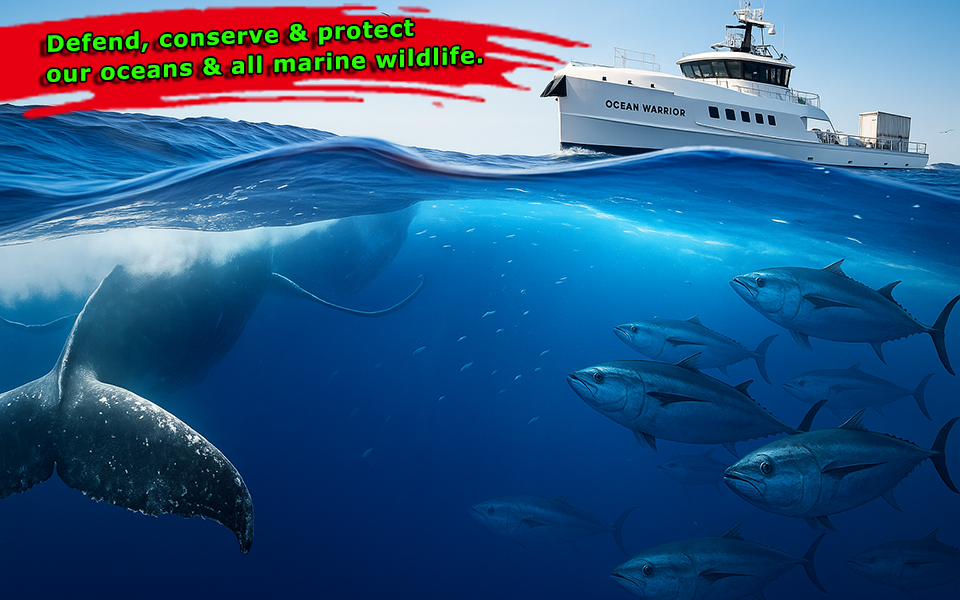

Sea Shepherd is an international, non-profit marine conservation organization that engages in direct action campaigns to defend wildlife, and conserve and protect the world’s ocean from illegal exploitation and environmental destruction.
OUR MISSION:
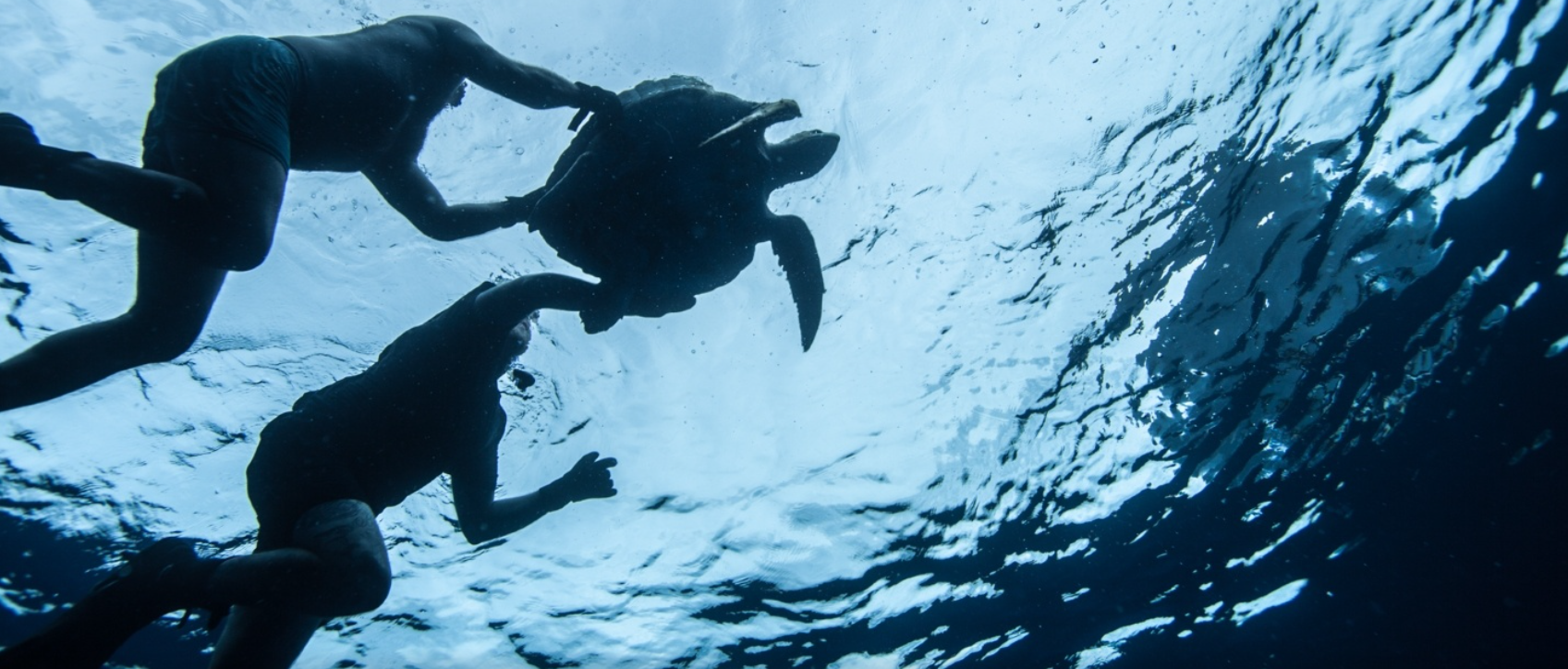
Our mission is to protect defenseless marine wildlife and end the destruction of habitat in the world’s oceans. Since 1977, Sea Shepherd has used innovative direct action tactics to defend, conserve and protect the delicately-balanced biodiversity of our seas and enforce international conservation laws.
From the gentle giants of the sea to its smallest creatures, Sea Shepherd’s mission is to protect all marine life species living in our oceans. Our campaigns have defended whales, dolphins, seals, sharks, penguins, turtles, fish, krill and aquatic birds from poaching, unsustainable fishing, habitat destruction, and exploitive captivity.
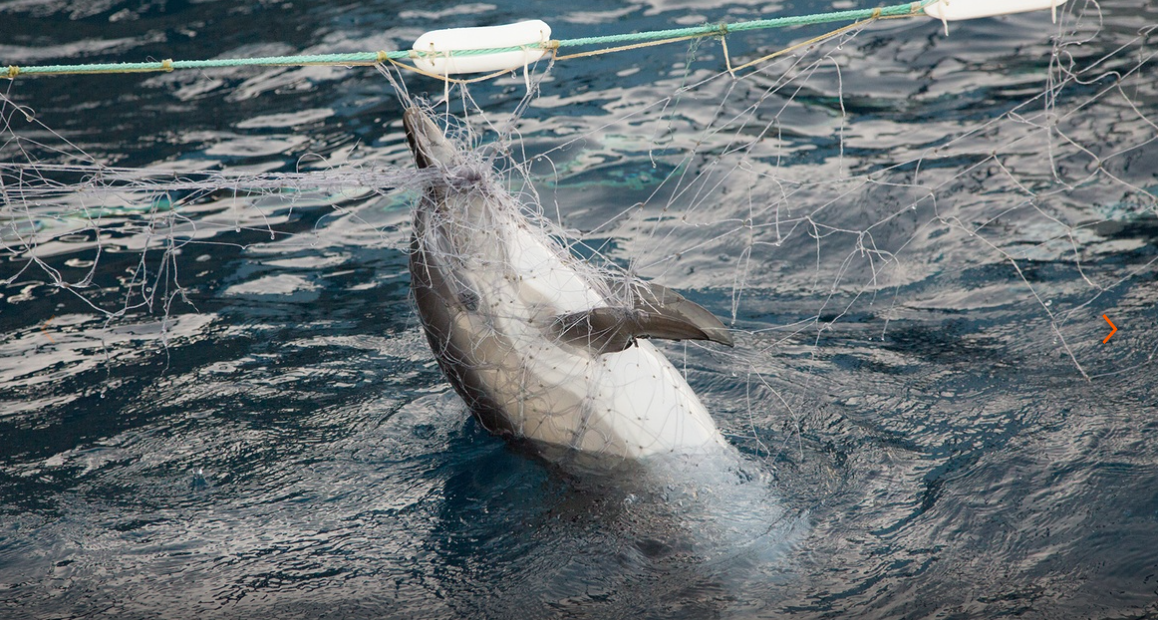
The ocean environment is an intricately-balanced ecosystem designed to support and sustain marine wildlife. To truly thrive, they need safe sanctuaries to feed, mate and raise their young without pollution, destructive fishing gear, plastics and other marine debris that choke marine wildlife and destroy their habitats. Sea Shepherd opposes the pollution of the fragile ecosystem through off-shore drilling and fisheries, as well as the destruction of coral reefs from trawling, and the loss of coastal nesting sites from commercial development.
“We fight to preserve the planet because we recognize that we share the Earth with other species and that their well-being is inexorably linked to ours. We fight to preserve the planet because it is a matter of self-defense and we’ve taken the fight to sea.” – Captain Peter Hammarstedt
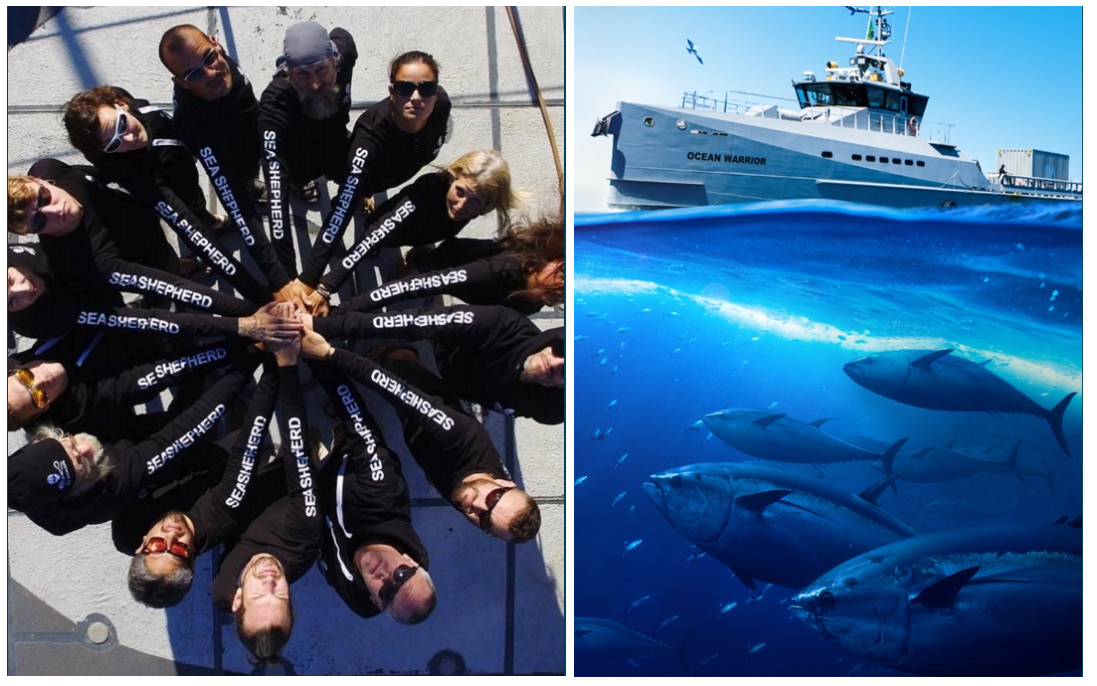
From its earliest years, Sea Shepherd has embraced the mandate of the United Nations World Charter for Nature to uphold international conservation laws when nations can’t…or won’t. Today, Sea Shepherd works with law enforcement agencies such as INTERPOL to help bring poachers to justice, and partners with national governments around the world to stop illegal, unreported and unregulated fishing in their sovereign waters.
“By stopping poachers and confiscating illegal fishing nets and gear, we work towards saving the ocean, while ultimately saving the entire world for each animal for whom our actions are the difference between life and death.” – Captain Peter Hammarstedt.
WHY WE FIGHT?
Poachers plunder marine sanctuaries with impunity, and illegal, unreported and unregulated (IUU) fishing goes unchecked in the high seas far from the eyes of international authorities and public scrutiny. International laws and agreements exist to protect ocean wildlife and marine habitats, but they can be difficult to enforce because of lack of political will, insufficient economic resources, or transnational boundaries that blur jurisdiction. Where a law enforcement vacuum exists, Sea Shepherd acts to fill that void.
Illegal, unreported and unregulated (IUU) fishing is a global problem that threatens the health of marine ecosystems as well as the livelihood of coastal fishermen. Legal fishing operations that observe quotas and by-catch laws are already forced to compete for fewer and fewer fish, yet an estimated 15-40% of the total global catch is caught illegally. The problem is particularly acute for developing nations which often lack the resources to enforce local fishing laws, which is why Sea Shepherd works with governments like in Mexico and Gabon to make a real difference for the future of our oceans.
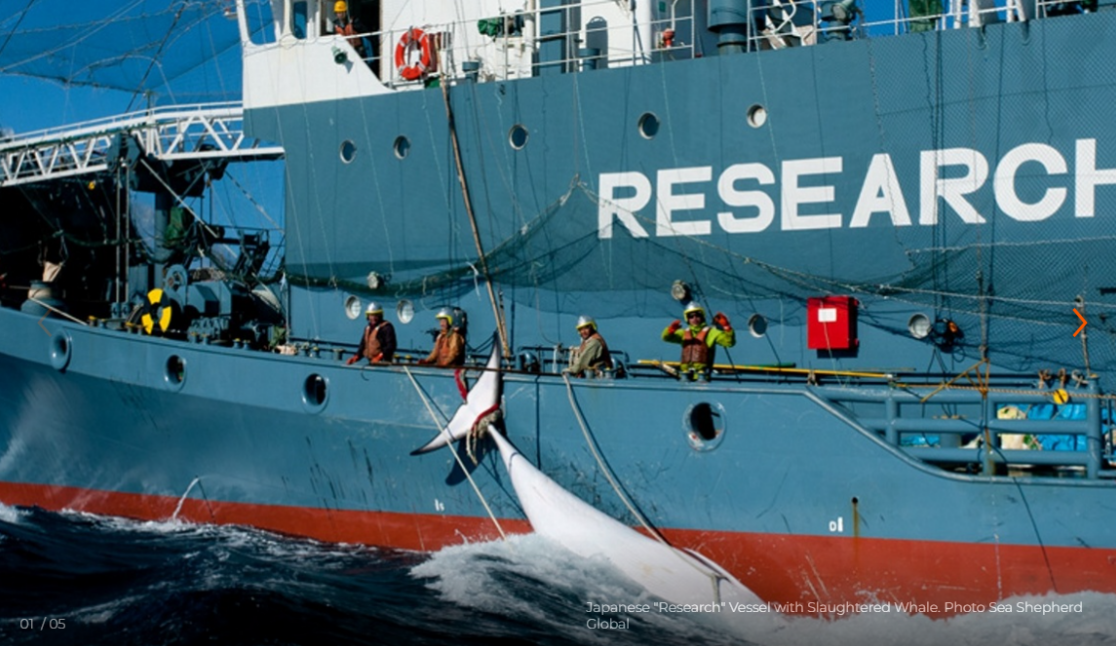
Sea Shepherd has been using direct action to stop illegal whale poachers around the world since 1979. After commercial whaling almost drove whales to extinction, a global moratorium was put into place in 1986. However, some countries have refused to recognize the ban. Norway and Iceland continue commercial whaling, and the Faroe Islands continue to kill pilot whales and other cetaceans traveling through their coastal waters. The Japanese send their fleet all the way to the Southern Ocean Whale Sanctuary each Austral summer to slaughter hundreds whales under the guise of “scientific research”, a claim rejected by the IWC as well as the International Court of Justice and the Australian Federal Courts. Since the first trip to Antarctica in 2002, Sea Shepherd’s Southern Ocean Whale Defense direct-action campaigns have successfully prevented the slaughter of over 6000 whales. Sea Shepherd has also opposed the slaughter of seals in Canada since 1978. Despite a ban on the import of seal products into the US and EU, Canada continues to club thousands of seal pups to death every year.
“Japan has declared war on the whales in the Southern Ocean. The signatory nations to the relevant conventions have not done anything but talk. No other NGO, aside from Sea Shepherd, is doing anything to intervene.” – Captain Alex Cornelissen
Marine Debris
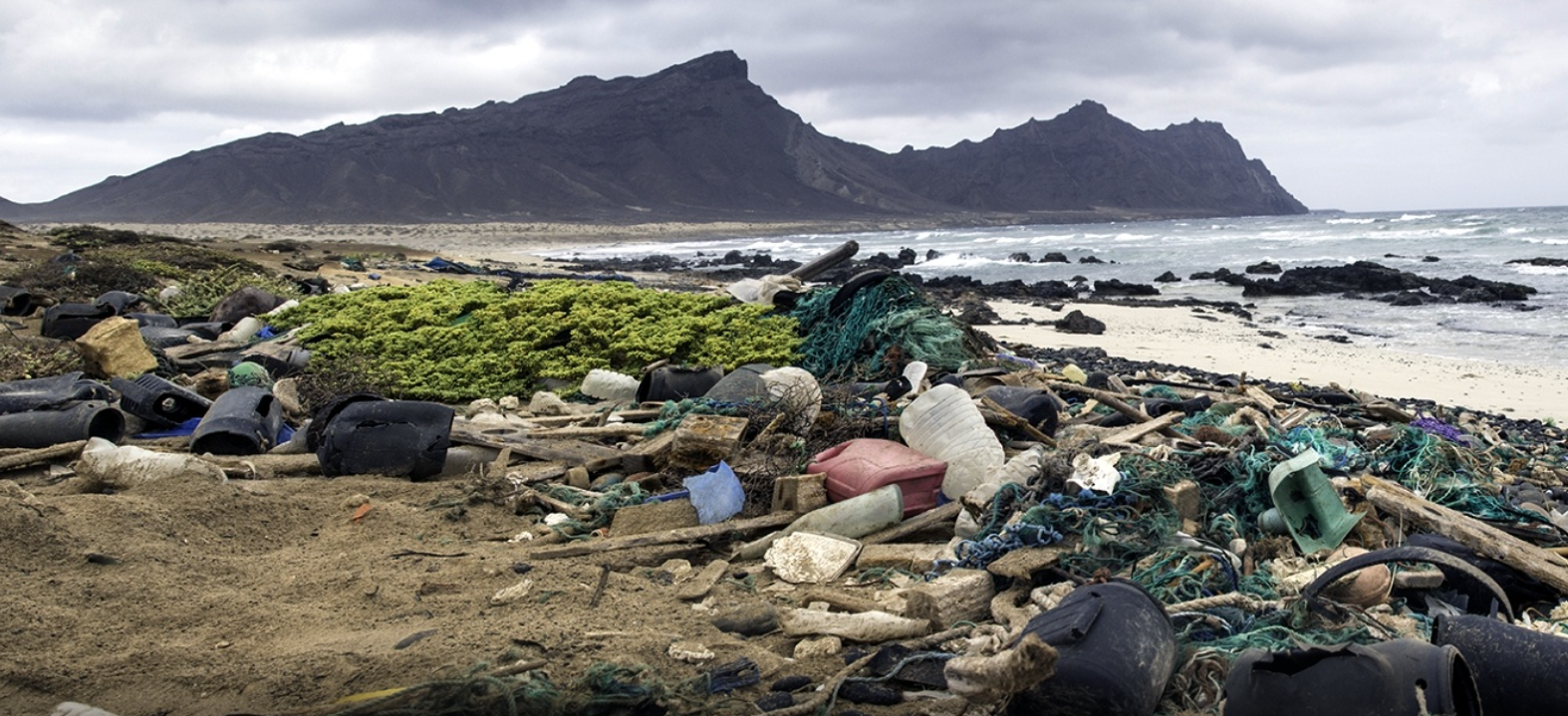
Marine debris is choking our oceans, creating a devastating impact on marine ecosystems world-wide. Alongside consumer items such as plastic bottles and straws, aluminum cans, rubber balloons, plastic bags and cigarette lighters, is fishing gear such as line, nets, ropes, hooks, and buoys lost or discarded at sea. Marine debris is a danger to all marine life including birds, sharks, turtles and marine mammals, causing injury or death through drowning, entanglement, or starvation following ingestion. It’s also a serious health risk for humans, because microplastics ingested by marine animals absorb manmade toxins such as PCBs, DDT, BPA and mercury, whose effects are intensified as they pass up the food chain, making it another good reason to stop eating fish altogether.
Our Actions to Address These Issues:
Sea Shepherd investigates and documents when laws to protect the world’s oceans and marine wildlife are not enforced. We use innovative, direct actions to expose and confront illegal activities on the high seas, in marine sanctuaries, and in countries’ sovereign waters through cooperative agreements with established law enforcement agencies.
Direct Action at Sea
Despite our relatively small size and limited resources, Sea Shepherd’s campaigns have been effective because we use direct action to achieve results, instead of billboards, petitions or protest marches. Our ships, mainly crewed by passionate volunteers, have saved over 6000 whales from the Japanese harpoon ships in the dangerous Antarctic waters. We have stood up to seal hunters, hauled in miles of illegal fishing gear, and relentlessly chased one of the world’s most notorious poaching vessels for 110 days until they scuttled their own ship in defeat.
Working with Law Enforcement
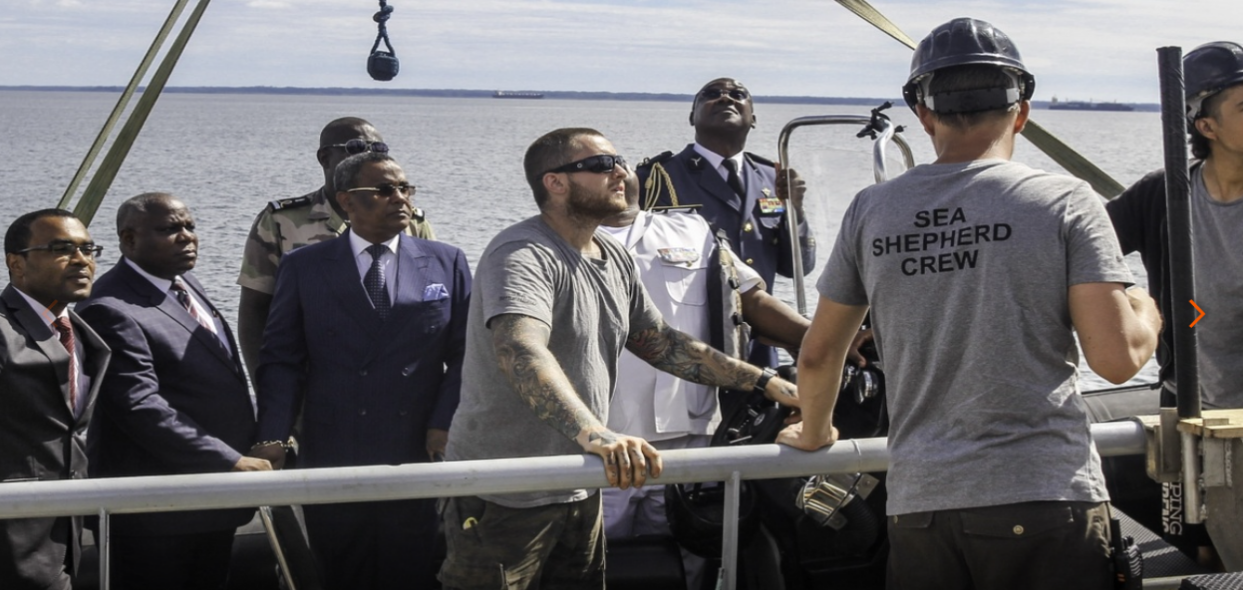
Some of Sea Shepherd’s most successful campaigns were conducted in cooperation with international law enforcement agencies such as INTERPOL. We also regularly assist nations who are lacking the resources to defend their own coastal waters from IUU fishing, such as Liberia and Gabon in West Africa, and protecting marine sanctuaries from poachers in the Galapagos.
Land-Based and National Campaigns
Sea Shepherd Global coordinates some of our most famous campaigns on the high seas. Still, we remain very much a grassroots movement, with many more national campaigns conducted locally by Sea Shepherd groups in Australia, New Zealand, France, the UK, Belgium, Finland and Italy. Around the world, our volunteers participate in land-based campaigns to clean up marine debris on beaches, protect coastal nesting habitats, and educate the public about Sea Shepherd’s mission.
Grassroots Resources, Global Impact
Unlike many other well-known international conservation groups, Sea Shepherd is a grassroots movement run almost entirely by dedicated, passionate volunteers, not a bureaucratic organization with corporate offices and a well-staffed fundraising department. In fact, Sea Shepherd Global has only a handful of paid staff, and our CEO – who started out as a volunteer cook on one of our ships – still answers his own email. That’s why we’re able to make such a global impact in marine conservation with just a fraction of the budget of other groups. Our loyal supporters know that we put all of our resources – time and money – into our direct action campaigns, not into billboards and fancy office stationary. Television may have made Sea Shepherd a household name, but we still walk our talk.